

Ants
Dealing with ants crawling through your kitchen, walls, or yard? Pestisect’s licensed technicians identify the exact ant species invading your property and apply targeted treatments that eliminate the entire colony — not just the ones you see.
Get a Quote Now
What Ants Do?
Ants may seem like a minor nuisance, but left untreated, they become a serious problem fast. A single Carpenter ant colony can destroy wooden structures over time. Pharaoh ants are known to spread bacteria including Salmonella and Streptococcus in kitchen environments. Pavement ants, while less destructive, invade in the thousands and contaminate food sources.
At Pestisect, we don’t just treat the surface — we target the entire colony, locate nesting sites, and apply treatments tailored to the specific species found on your property.
Common Ant Species
Different ant species require different treatment approaches. Here are the most common ants we encounter.
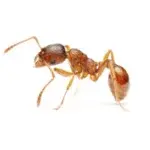
Adult Ants: around 1.5 mm
Color: Yellow or Light Brown to Red
Pharaoh Ants can be found near warm and moist areas. They feed on sugar and protein and have a tendency to make multiple colonies with multiple queens and workers.
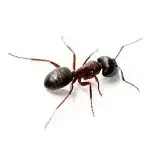
Workers: 6-13 mm, Queen: 25 mm or more
Color: Black or Reddish Brown
Carpenter Ants are considered Wood Boring Ants. They like moist structural wood, wall voids, insulation, and hollow doors where they make their colonies.
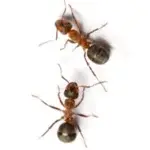
Size: 3-4 mm
Color: Black or Brown
Pavement Ants are usually found in slabs, wall or floor junctions, and in new construction sites. They can easily access through grounds and make nests in structures.
Understanding Ant Behavior
What They Eat
Ants feed on protein and sugar, sweet materials, grease and oil, plant materials, and occasionally household food items. Some ants like to eat insects too.
Where They Live
Ants form colonies in exterior walls, attics, warm and moist areas, and wall or floor junctions. They travel considerable distances from their colonies in search of food and water.
Types of Damage
Some ants contaminate food, damage structures, and bore through wood. Certain species can transmit infections due to their attraction to blood and body fluids.
How to Prevent Ant Infestations
Follow these prevention steps to reduce the likelihood of ant problems in your property.
Fix Leaks
Repair leaky faucets and pipes to eliminate water sources.
Trim Vegetation
Branches and bushes near your building should be trimmed to prevent access.
Seal Entry Points
Places through which ants can enter, such as utility lines, should be well sealed.
Professional Ant Control Process
Our systematic approach ensures complete elimination of ant colonies and long-term prevention.
Inspection
Thorough inspection to identify ant species, locate nests, and assess infestation level.
Treatment Plan
Customized treatment strategy based on ant species and specific property conditions.
Implementation
Professional application of targeted treatments to eliminate colonies effectively.
Follow-up
Monitoring and follow-up visits to ensure complete elimination and prevent re-infestation.
FAQ
Signs include ant trails, small piles of dirt or wood shavings, and visible nests near walls or foundations.
Pharaoh ants, Carpenter ants, and Pavement ants are the most common species found in the Greater Toronto Area.
Yes — Pestisect uses eco-friendly, Health Canada approved treatments that are safe for your family and pets.
Most treatments show results within 24–72 hours. A follow-up visit is scheduled to ensure full colony elimination.
Pricing depends on infestation size and property type. Contact Pestisect for a free on-site inspection and quote.
Ready to Book a Pest Control Service?
Tell us about your property and pest issue for a fast, no‑obligation quote. Same‑day appointments are often available in Brampton and nearby cities.
